Books
Open textbooks written for reading on screen, with worked examples, interactive calculators and full solutions to the exercises. All books are free to read online.
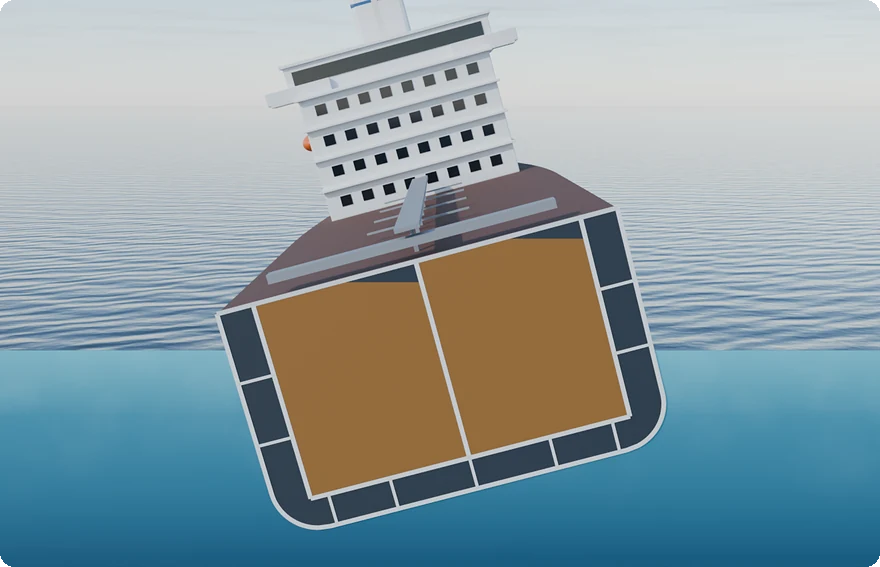
Hydrostatics & Stability
The flotation and stability of ships. The book begins with the description of hull form and the numerical integration of ship geometry, develops initial stability and trim, and continues with hydrostatic curves, stability at large angles, heeling moments, the inclining experiment, intact and damage stability, and partially supported ships in docking, grounding and launching. It closes with the stability of multihulls, submersibles, high-speed craft and offshore units.
14 chapters · worked examples · calculators · exercises with solutions
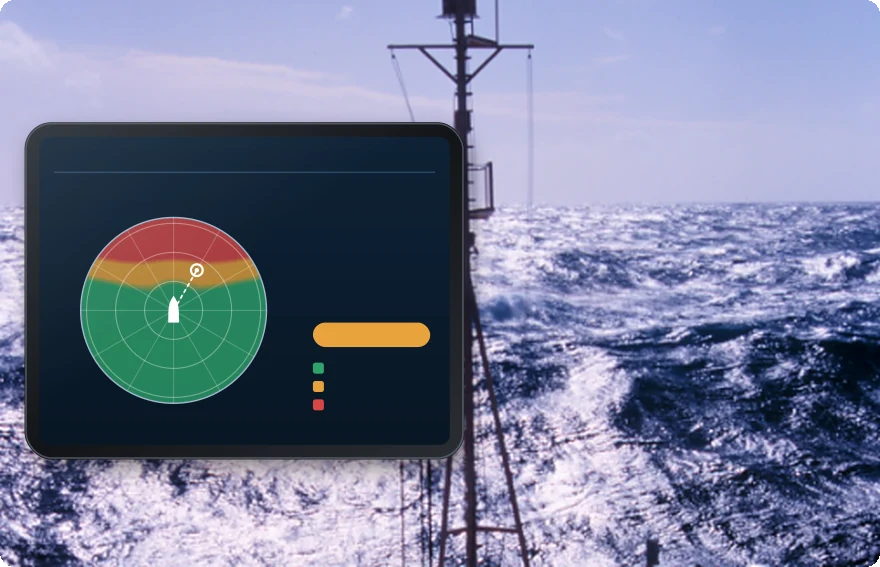
Seakeeping
The book develops the motions of ships in regular and irregular waves, beginning with oscillations, wave mechanics and the forces exerted by the water. It connects response calculations to comfort, loads, stability and operational limits, then examines strip theory, three-dimensional methods, nonlinear simulation and experiments. Later chapters address added resistance, impacts, hydroelasticity, unconventional craft and offshore systems, before considering onboard sensing, operational guidance and emerging data-driven methods.
20 planned chapters
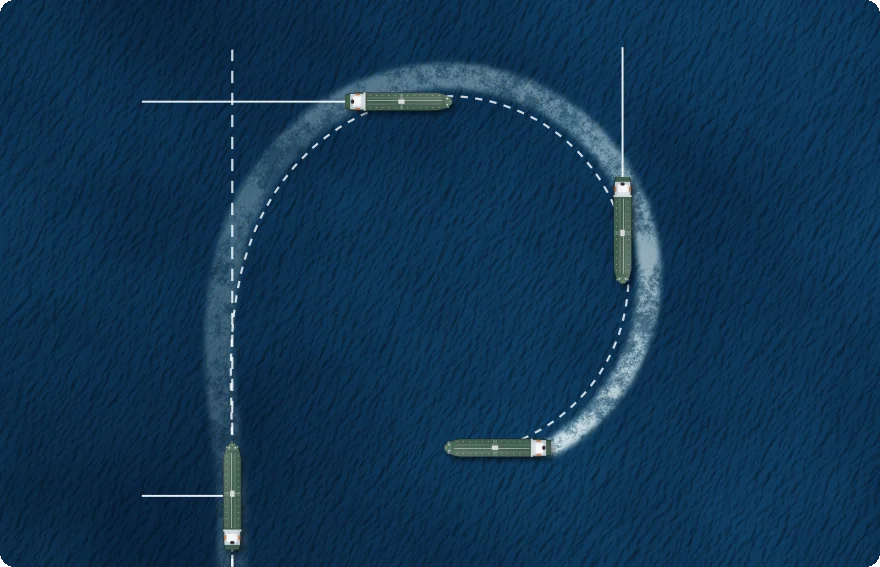
Manoeuvring
The book explains how the forces on a hull, propeller and steering devices determine a ship's path. It develops manoeuvring equations, course stability, whole-ship and modular models, and the experiments and computations used to determine their coefficients. It then examines stopping, berthing, shallow and confined waters, and environmental forces. The final chapters connect validated hydrodynamic models to system identification, navigation, guidance, dynamic positioning and autonomous operation.
20 planned chapters
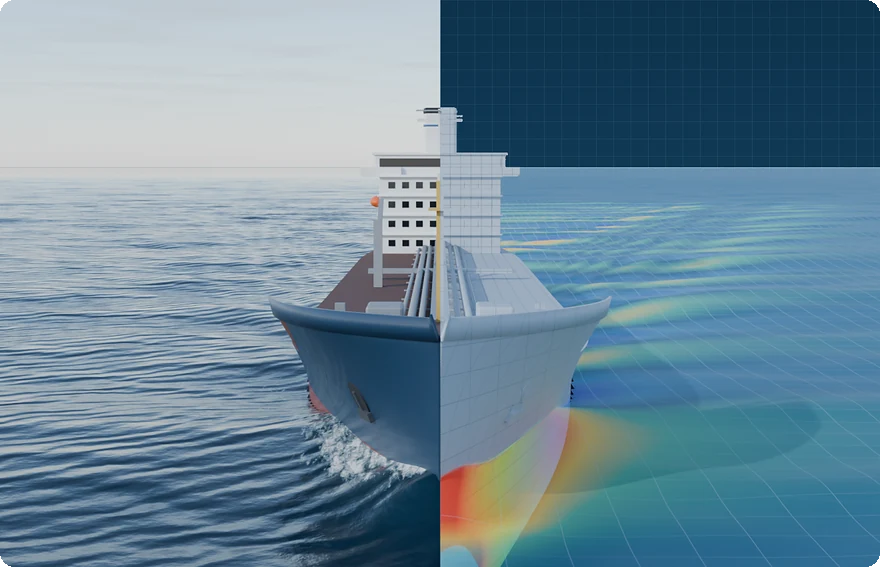
Resistance & Propulsion
The book follows the prediction of ship power from the flow around the hull to the selection and operation of the propulsion system. It develops resistance components, model testing and scaling, empirical and computational methods, propeller theory, hull–propeller interaction, cavitation and machinery matching. Later chapters examine performance in service, energy-saving devices, wind assistance, design optimization and operational data. It closes with emerging propulsion concepts and the evidence needed to judge them.
21 planned chapters